01
Enrollment openInfant & toddler
Responsive care, sensory play, and gentle routines for the earliest years.
A gentle place to grow. A gentle place to become you.
1547 Warwick Ave
Thousand Oaks, CA 91360
323 · 447 · 9477
Lovely Bees is a small Russian-English bilingual childcare for children ages 6 months to 4 years. We believe exceptional childcare is personal—every child should feel safe, loved, understood, and excited to come each day. Our program combines nurturing care with early childhood development and cognitive psychology. Through play, books, music, art, outdoor activities, and structured learning, we support language, memory, thinking, confidence, independence, and social-emotional development. Children enjoy fresh homemade meals, healthy routines, and plenty of individual attention as we help prepare them for preschool and school.
Schedule a tour →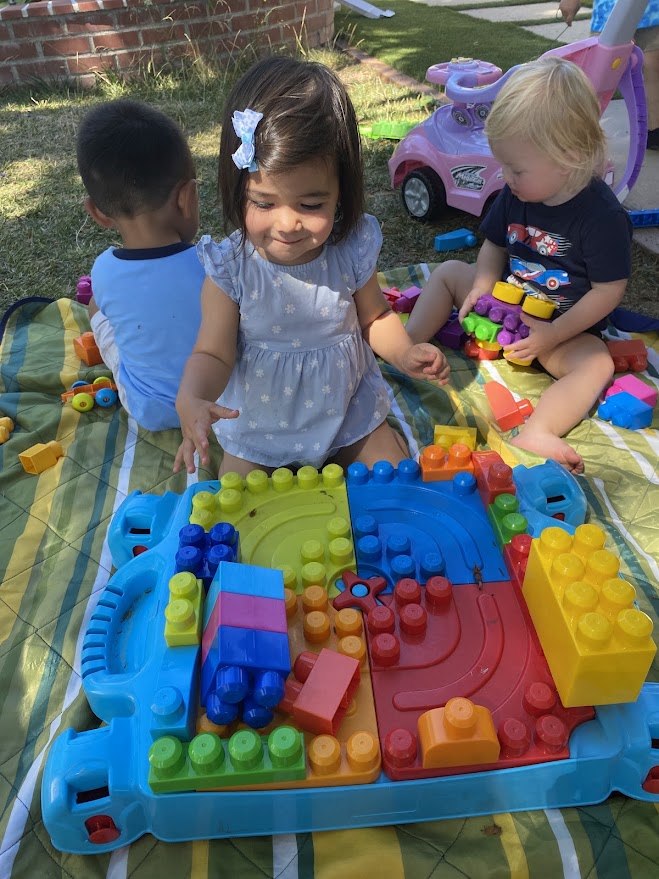
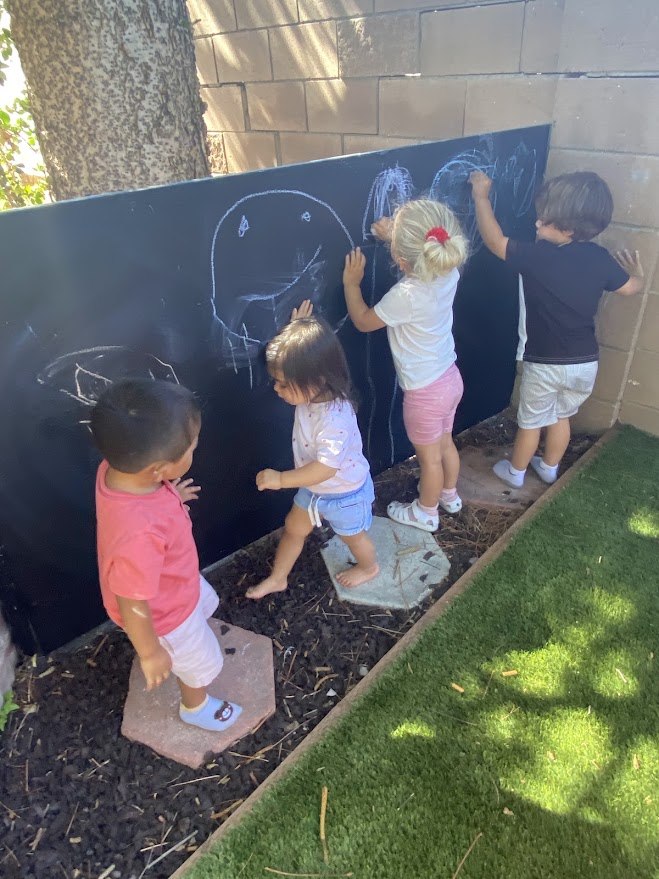
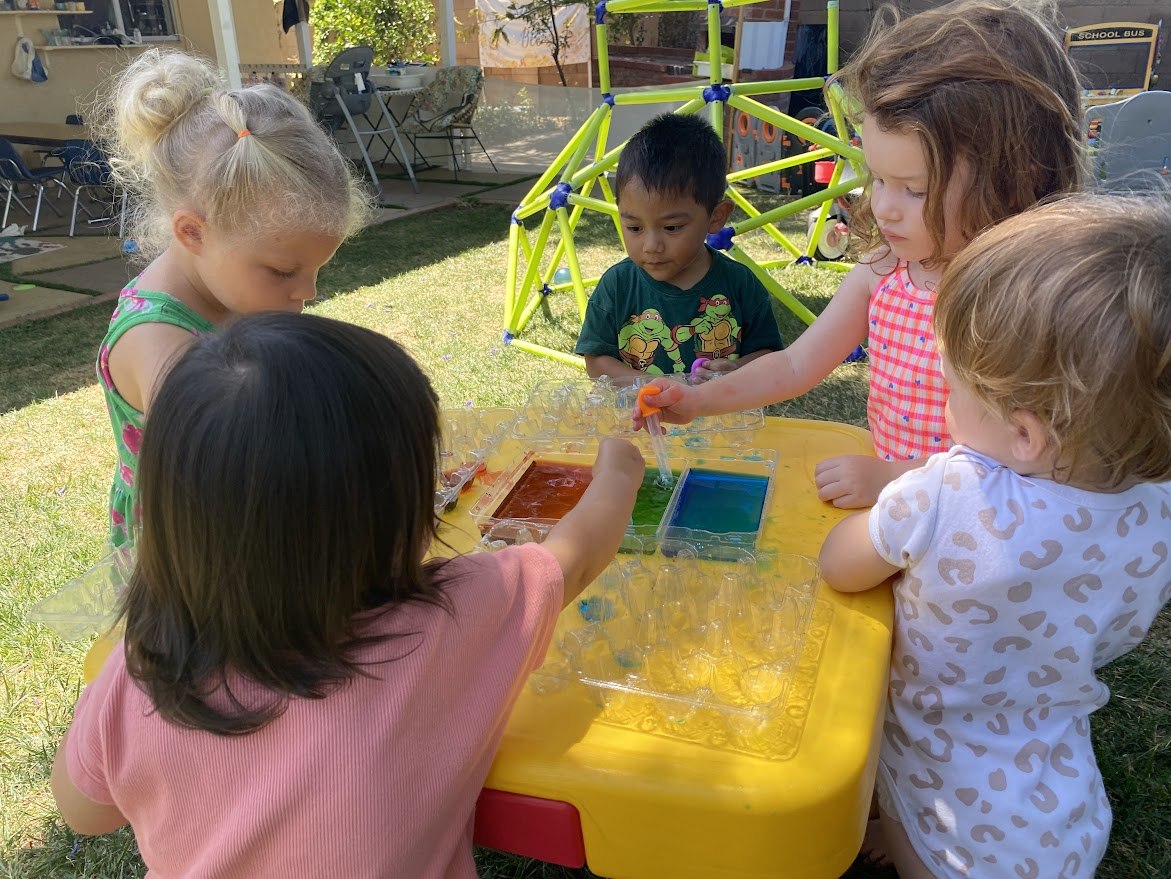
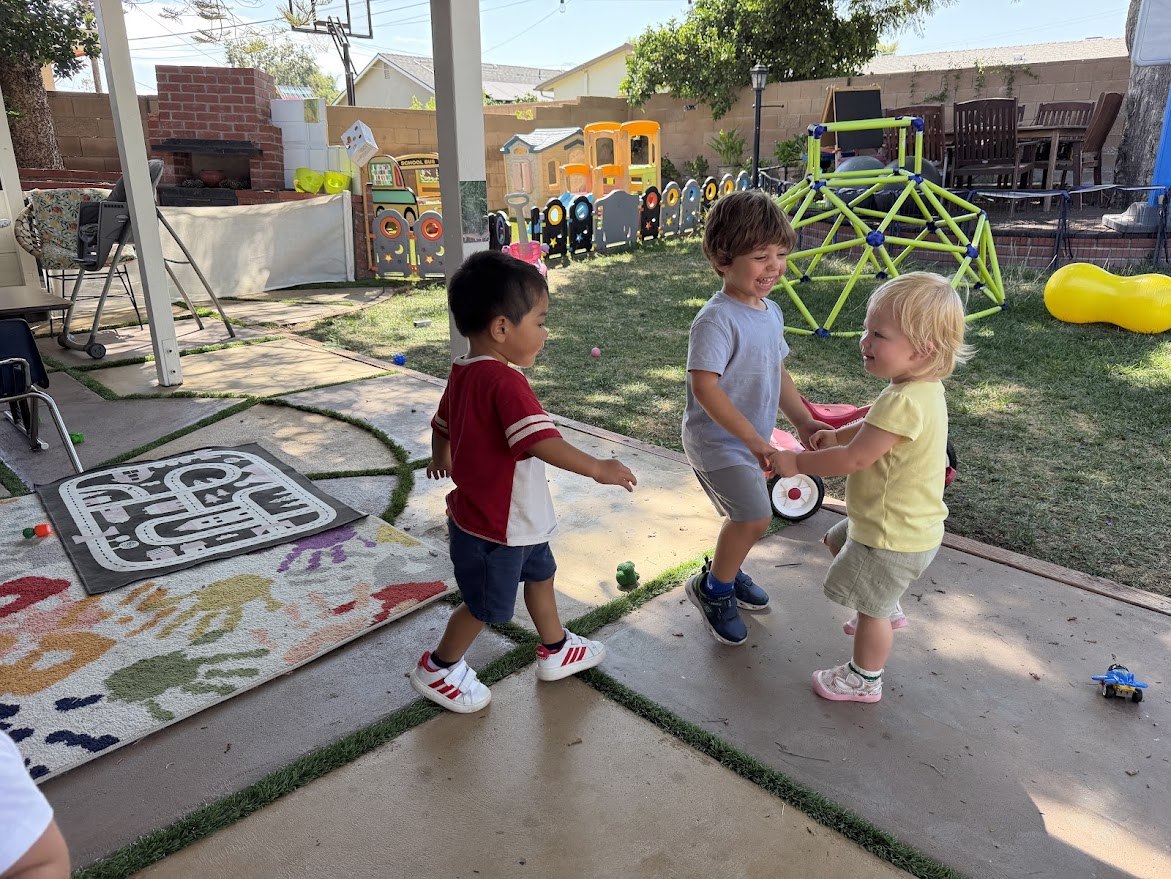
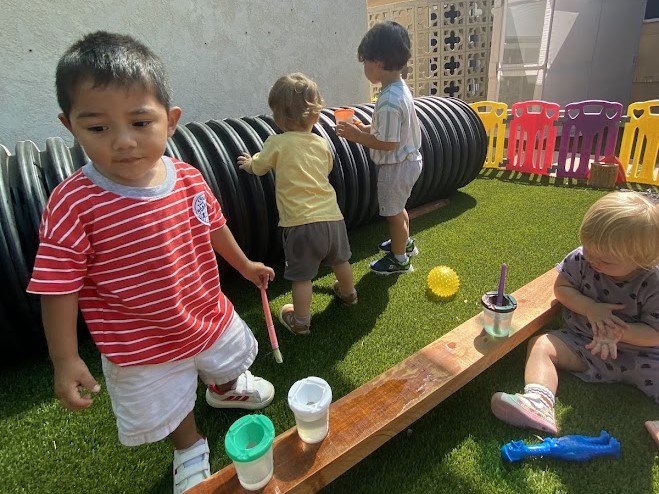
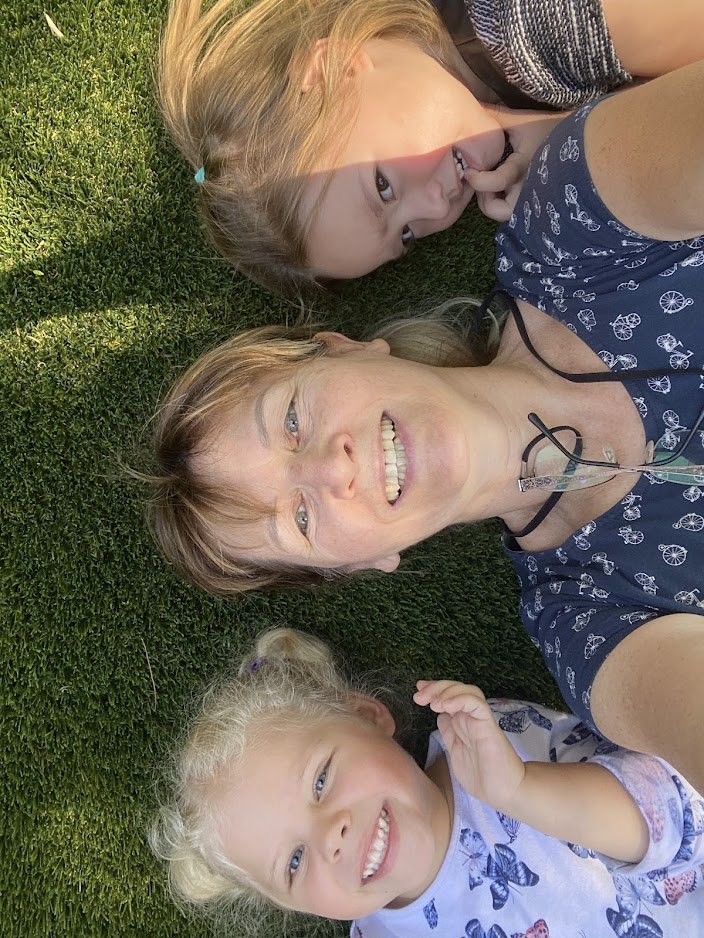
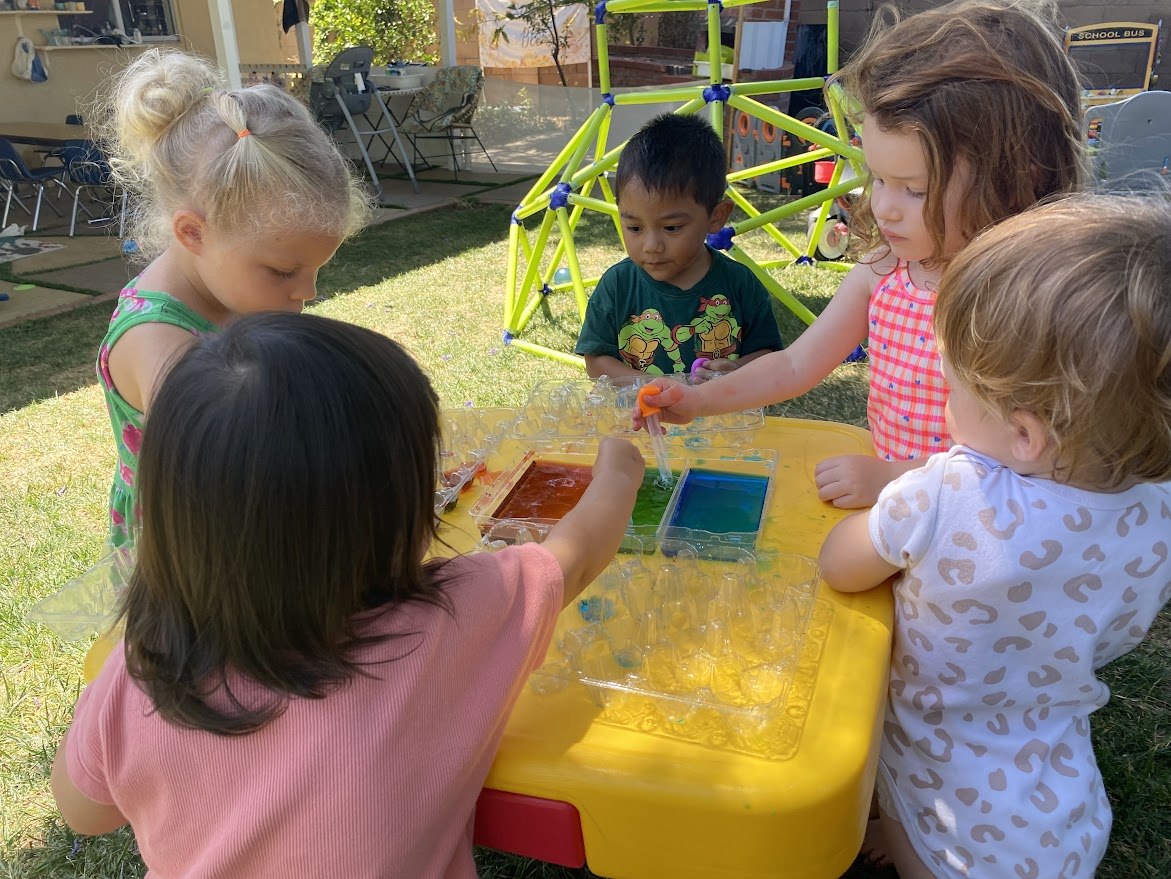
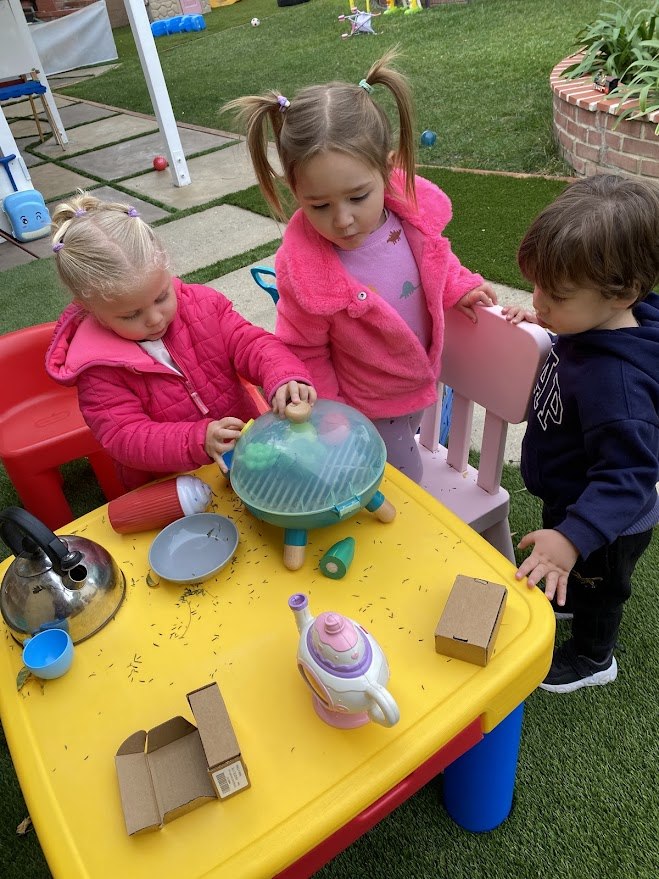
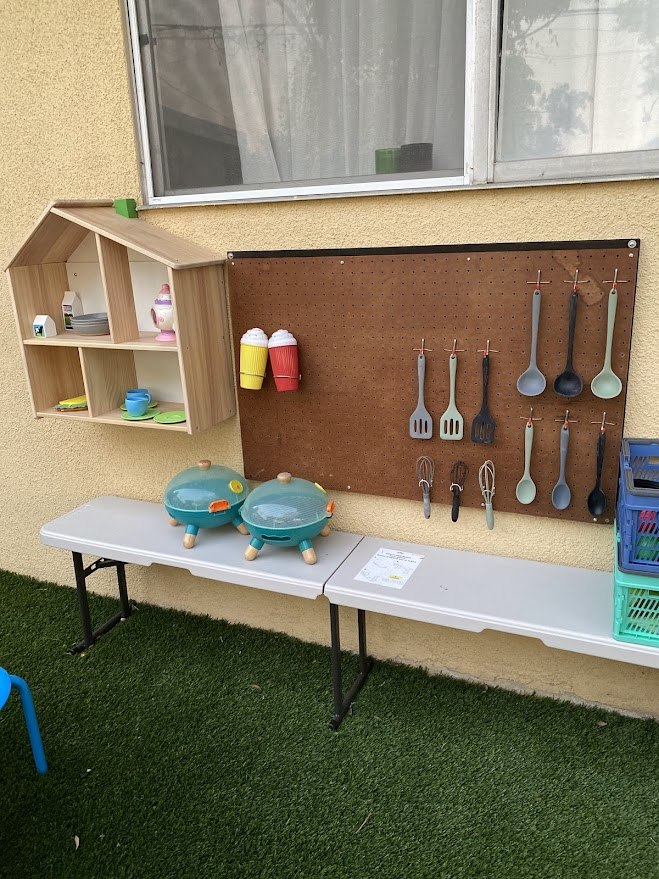
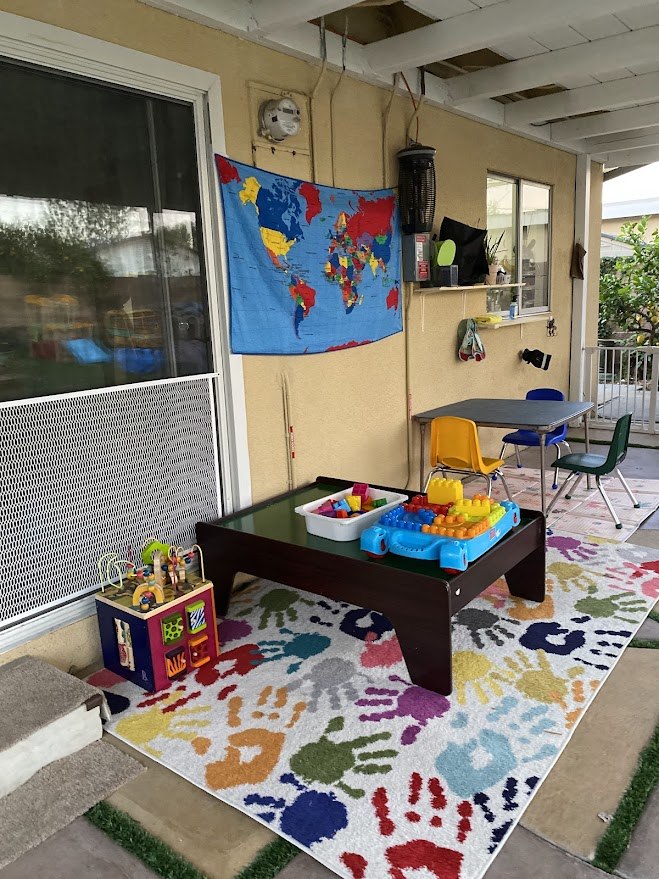
A small group lets us meet children where they are and build a day that feels safe, engaging, and full of possibility.
Responsive care, sensory play, and gentle routines for the earliest years.
Play-based learning, early friendships, and time to follow a question all the way through.
A home-like rhythm where younger and older children learn from one another.
Lovely Bees is an in-home family childcare built around the feeling children naturally need: to be loved, heard, understood, and free to explore.
Schedule a tour →Our games, activities, and daily rhythm are thoughtfully informed by how young children learn and grow. One of our co-teachers is pursuing a bachelor’s degree in cognitive psychology.
Children want to move, get outside, be curious, and connect. We make space for those instincts every day — with fresh air, unhurried play, and real attention.
Because we are small by design, children experience the steadiness of familiar faces, meaningful routines, and a community that knows them well.
We use research as a guide, not a slogan. Our activities are designed for young children, observed closely, and adjusted with care.
With a maximum of 12 children, we can offer more adult attention, several diaper-changing stations, and developmentally appropriate materials for our youngest learners. Research links smaller groups and lower child-to-adult ratios with stronger caregiver–child interaction quality, though they are one part of a larger picture of quality care.
Read the systematic review ↗We welcome multilingual families and make room for different sounds, words, and ways of communicating. Studies suggest bilingual experience can support metalinguistic awareness and may support some executive-function skills, while the overall evidence is mixed — which is why we focus on joyful, meaningful language exposure rather than promises.
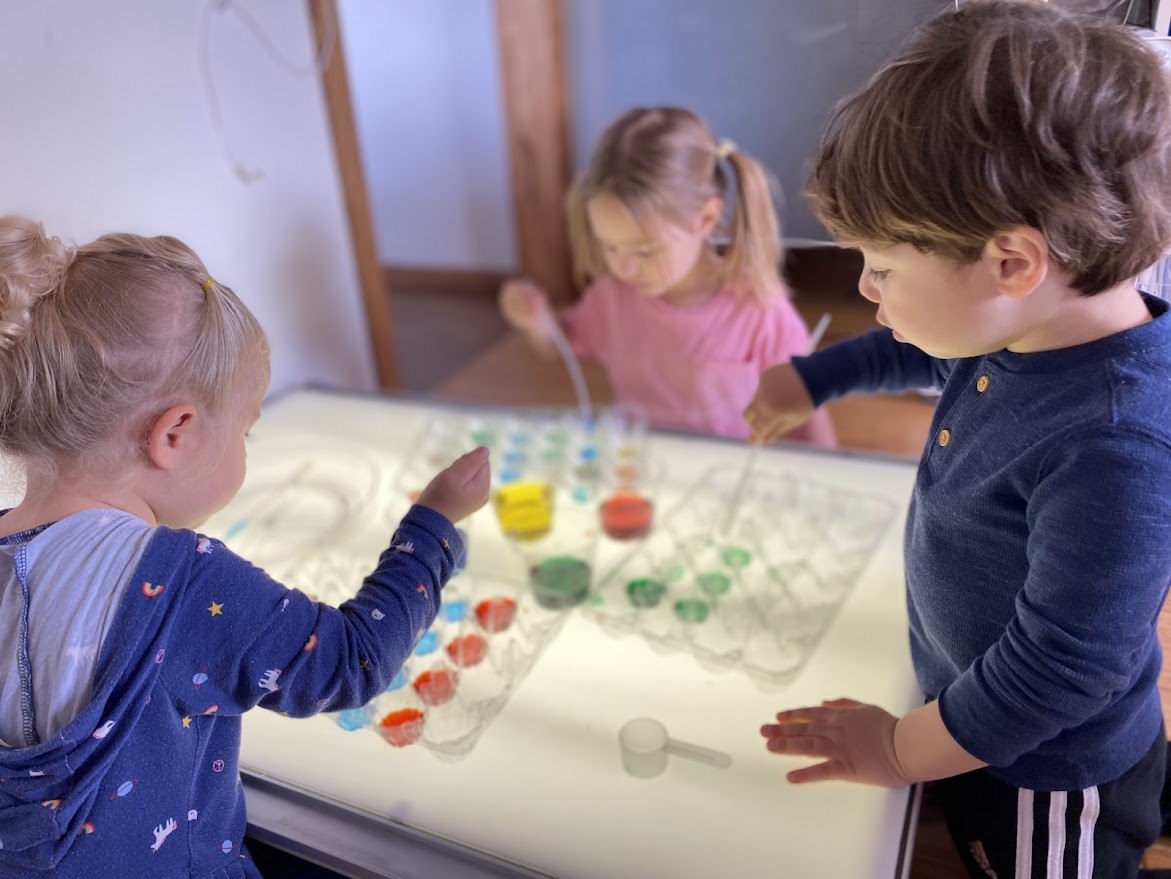
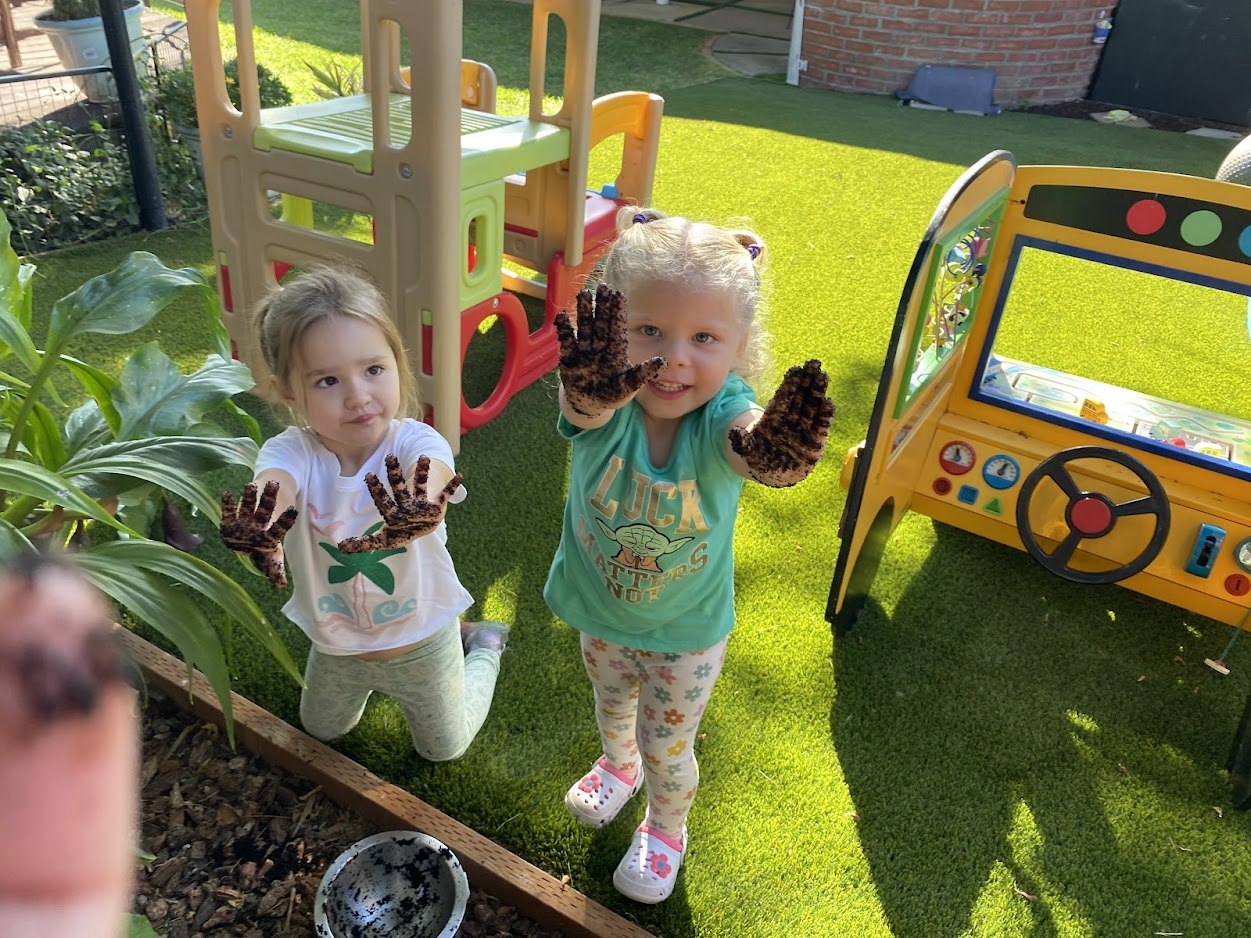
Read a kindergarten study ↗Sand, foam, water, cardboard, clay, paint, and other open-ended materials invite children to explore texture, cause and effect, fine-motor movement, problem-solving, and self-expression. The research is promising but not uniform, so we treat sensory and messy art as rich opportunities for play — not guaranteed outcomes.
Read the sand-play review ↗Our approach is informed by research, but every child is different. We pair evidence with careful observation, responsive relationships, and conversations with families.
Ask us about the details →Our schedule leaves room for both structure and the surprising, wonderful detours that happen when children are together.
We serve simple, nourishing food and make mealtimes calm and social.
Our days follow children’s needs while offering a dependable rhythm.
The best care is personal. We pay attention to the small things — the new interest, the hard morning, the proud moment.
We get down on the floor, listen closely, and help children put words to what they feel and see. Every child deserves to be taken seriously.
We bring curiosity to our own work, too — observing, reflecting, and continuing to learn about the science of early childhood development.